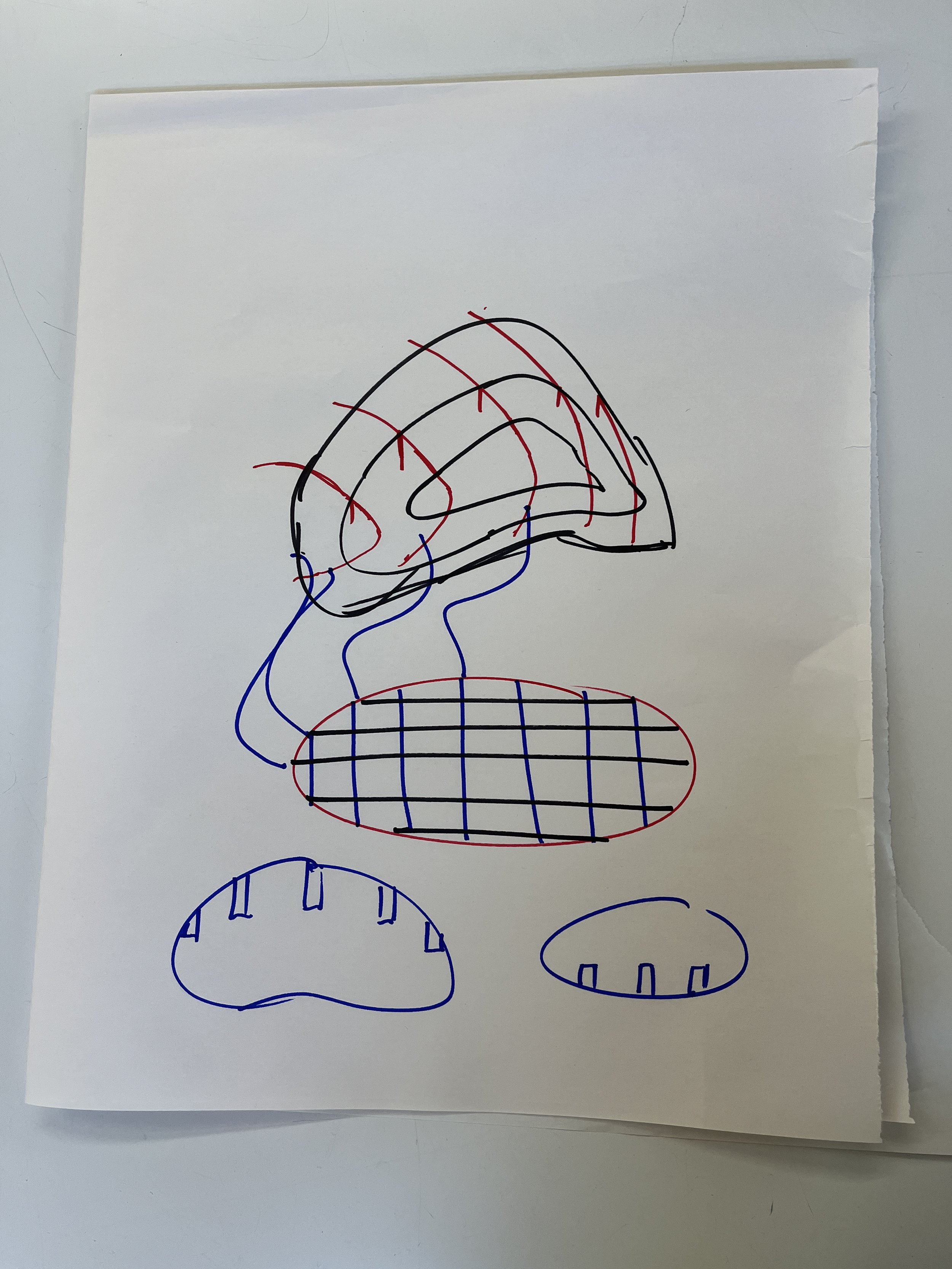
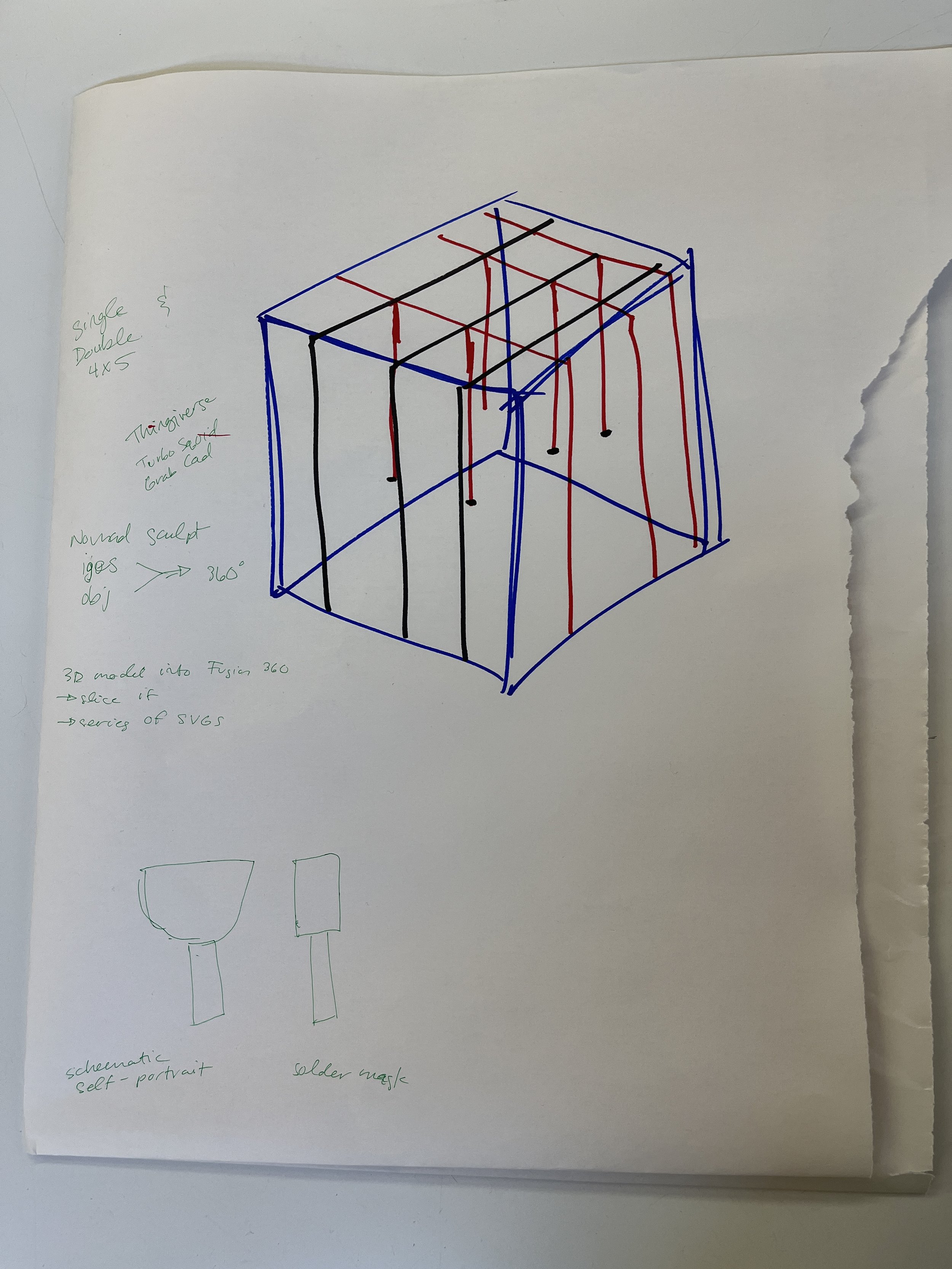
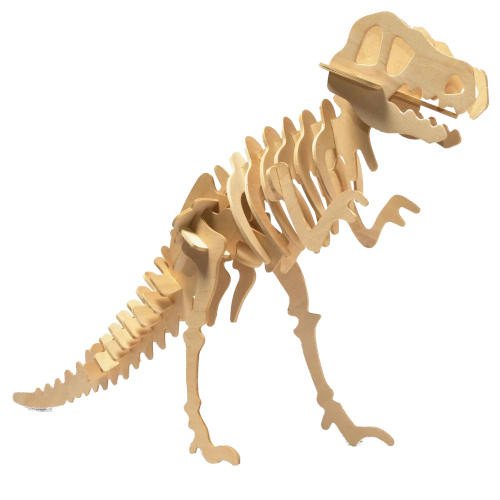
Research
I did a lot of research on the parts of the brain and neurons which you can find at this blog post.
I also finished ready Your Body is Not Your Body, edited by Alex Woodroe and Matt Blairstone. This is an anthology of horror stories written by trans and gender non-conforming authors. I really enjoyed reading this book, fun research for spooky season! After finishing, I went through story by story and did some word association. Here are some of my thoughts:

Some themes/concepts I identified were: mutilation, transfiguration, acceptance, gender presentation, gender roles, gendered bodies (society is stuck on classifying bodies this way), weaponizing bodies, bodies under attack, bodies in desperation, violence
What happens when the body doesn’t look or function the way we’re used to? How does this challenge our way of thinking?
Interview
Erin Mamaril, MS in Nursing, BS in Neuroscience & Cognitive Science, my smartest high school friend

General question: what does anxiety and depression do to the brain?
Check out: Greg Dunn, Neuro artist
There are circuits of specific interest —> prefrontal cortex
Connections break down and there’s noisy firing related to anxiety/depression
Default mode network is the part of the brain that is active when we’re not doing anything, like day dreaming and thinking about the future
This gets broken down too in depressed people
Anxiety and depression are really connected in the brain
Amygdala is overactive when we are fearful, less control
Physical responses: heart rate, breathing, etc.
Lizard brain (brain stem) takes over
Neurogenesis: it was largely believed that humans don’t generate more neurons, we get what we’re born with
Research has shown that new neurons can be produced in the hippocampus but this doesn’t really happen in the case of chronic anxiety and depression
Mindfulness is something you have to intentionally practice
Physical vs. cognitive parts of anxiety, there’s a connection but they’re also separate
Tune into what’s happening in your body to learn that it’s not necessary for this level of threat
Creative Experiments and Investigations
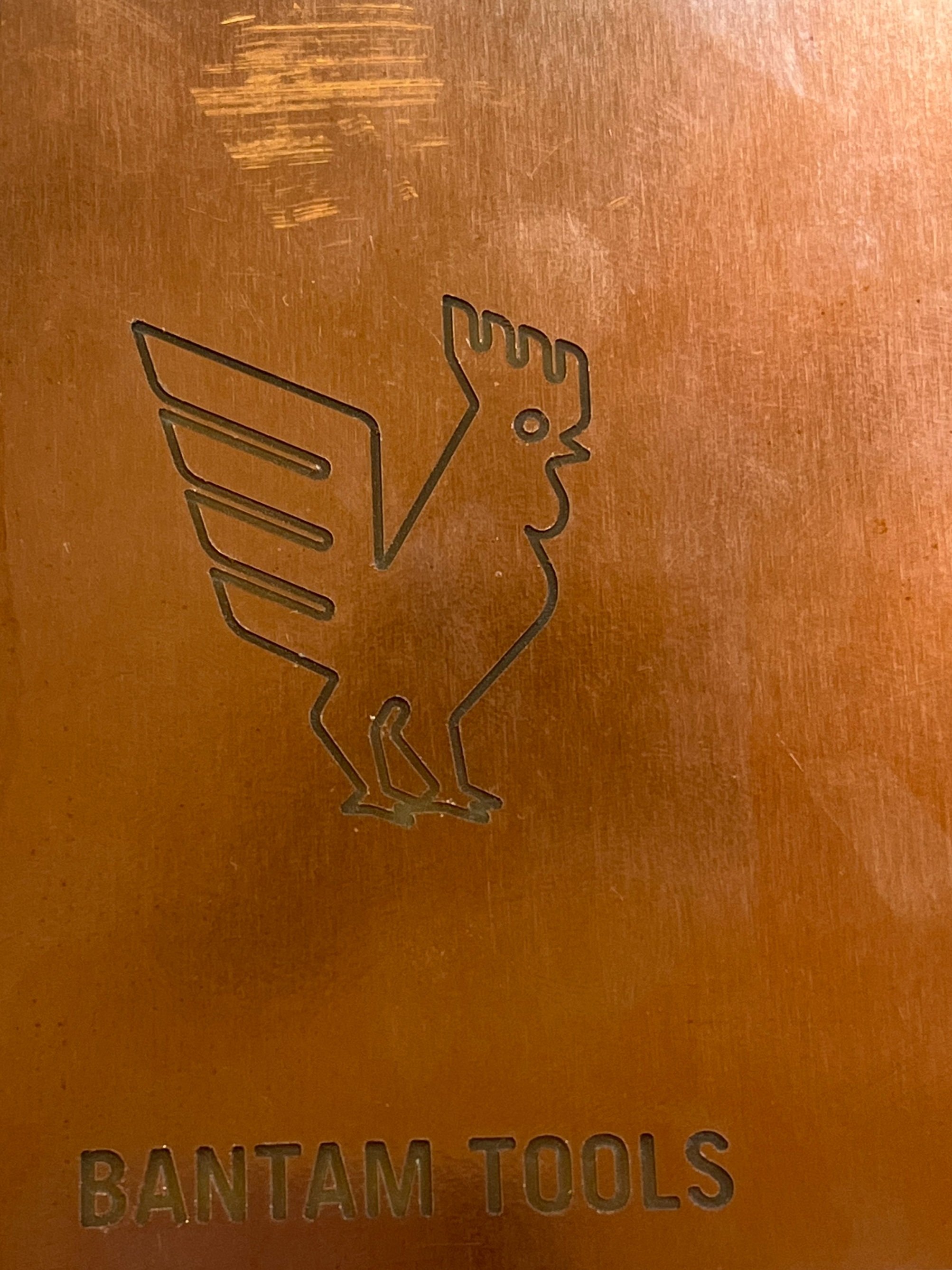
Bantam Desktop PCB Mill Test
Last week I learned how to use the Bantam mill to make PCBs for my Digital Fabrication class. Here’s the demo PCB I cut. I plan on using the Bantam to prototype my brain sculpture. And the shop stocks a whole bunch of sheets of copper circuit board.
For my own reference: single and double sided PCB blanks, 4x5 inches.
Circuit Design
I ordered some preliminary parts:
In the future, if I want to stencil my solder paste I could use a solder paste like this and a putty knife or scraper
I chose these LEDs because of their affordability and built-in library and EAGLE support.
Another thing I learned while prepping to design this prototype is that the EAGLE PCB design software is EOL (end of life) in 2026. Autodesk will no longer be supporting it but EAGLE designs and libraries will be fully compatible with Fusion 360 electronics workspace.
That being said, I used EAGLE a lot at my last job, so I’m pretty familiar with it, and I’m going to use it for this project. It’s been a long time since I started it up on my computer and I needed to create a new personal Autodesk account and get my workspace set up with the SparkFun Eagle libraries and settings. In EAGLE, I went to “Options” and “Directories…” and made sure my paths were setup like this:

This way I will be able to use all the parts and design rules developed by SparkFun over the years. I might need to import some Adafruit libraries so that I don’t have to draw the symbol and footprint for the LEDs. Phil also told me that there might be design rules floating around for working with the Bantam mill (…can someone say: Homemade Hardware??).
Might as well install the Adafruit libraries as well…
Ok, cool! I got my EAGLE environment all setup, and look how cool this is! Here is the schematic drawing and PCB footprint for the LEDs I’ve ordered, they’re already part of the Adafruit libraries.
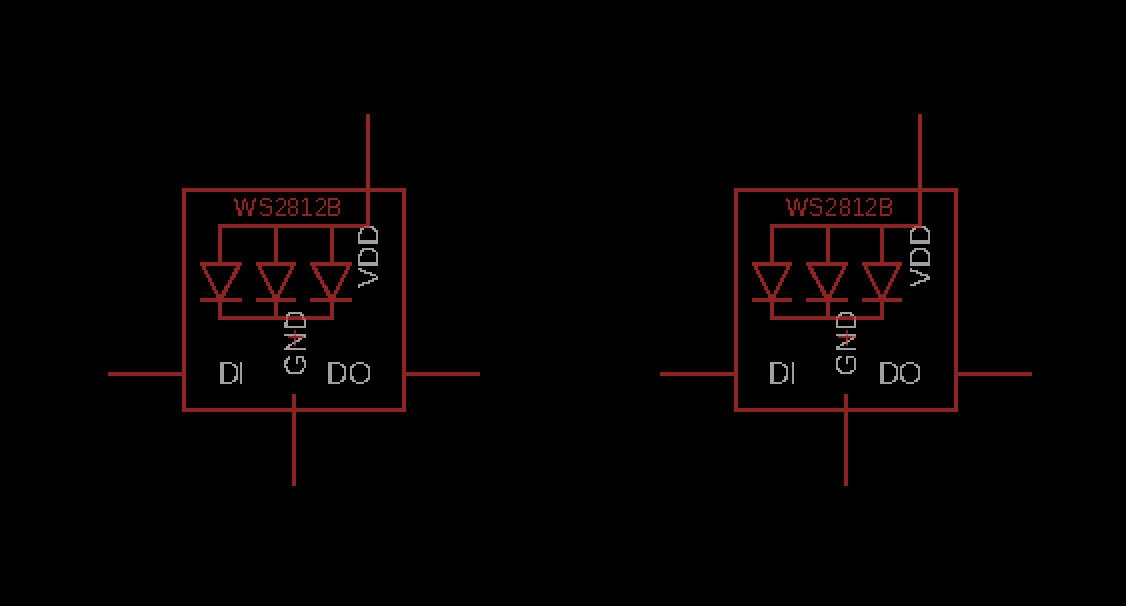
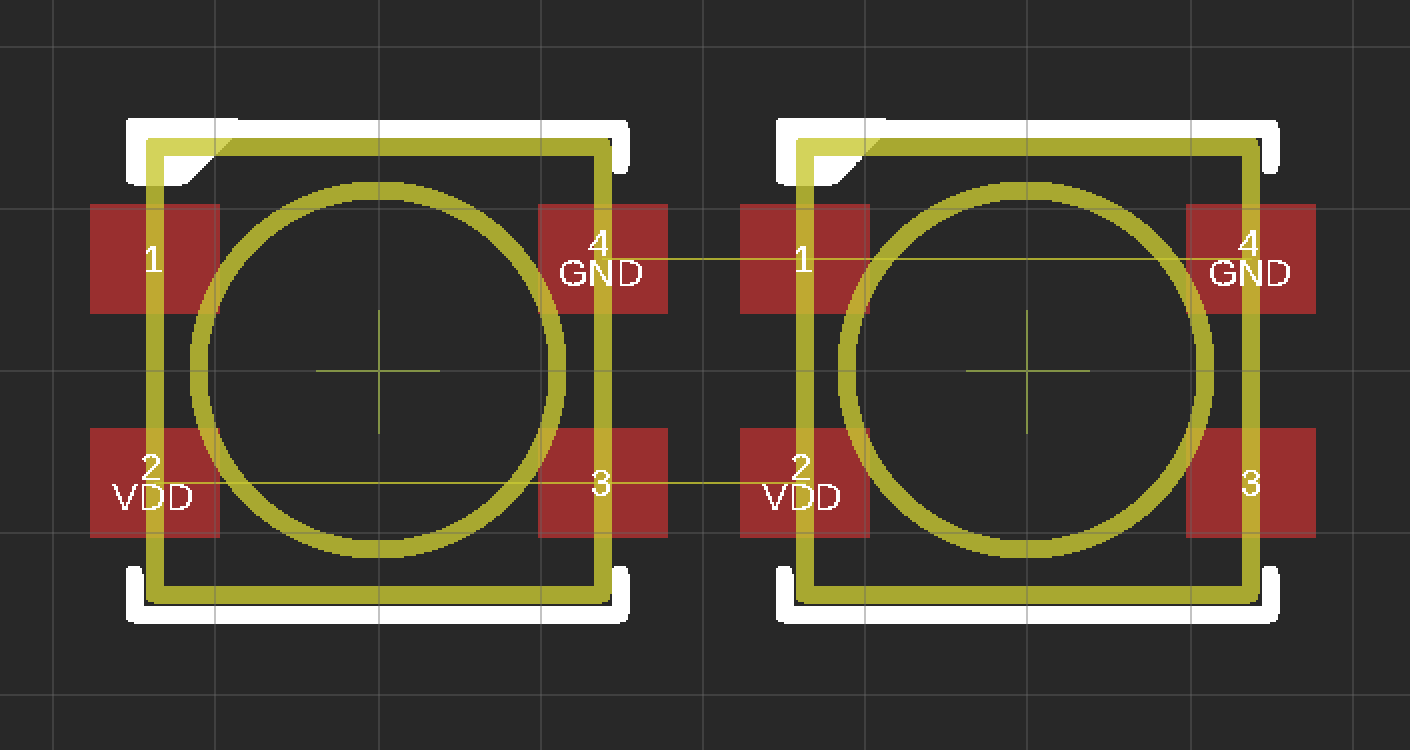
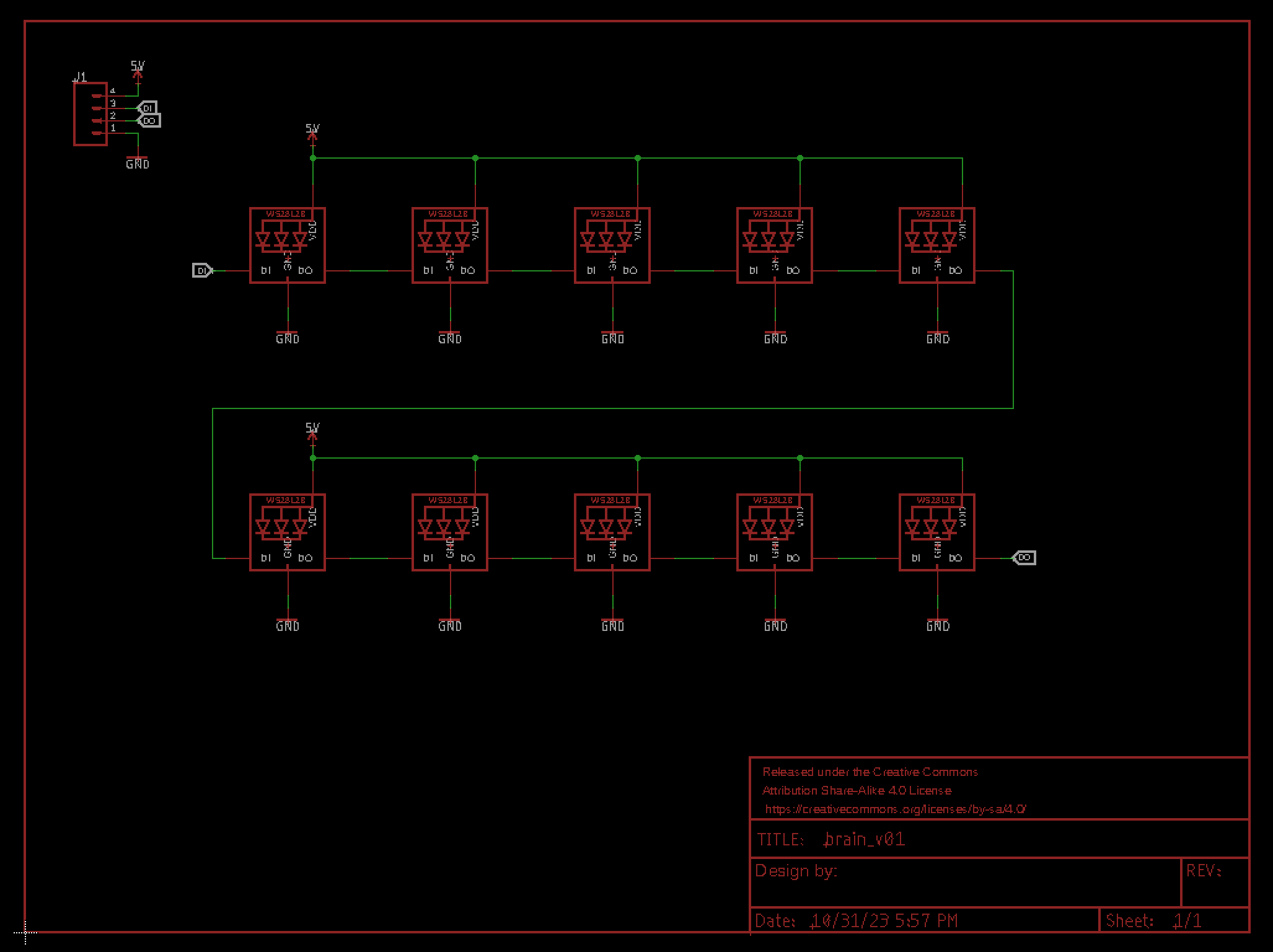
I wired up this schematic. It’s really just an addressable LED strip with some holes to attach headers and wires (spinal cord?!).
Getting a custom PCB shape took some trial and error. You can import DXF files to any board layer. I made some DXF outlines of brain shapes in Illustrator, but the shapes didn’t show up when I imported them into Eagle. For whatever reason, generating the DXF files in Inkscape was the only way I could get them imported properly. I followed this tutorial. Here are my first round of prototypes! Next step: the Bantam!!
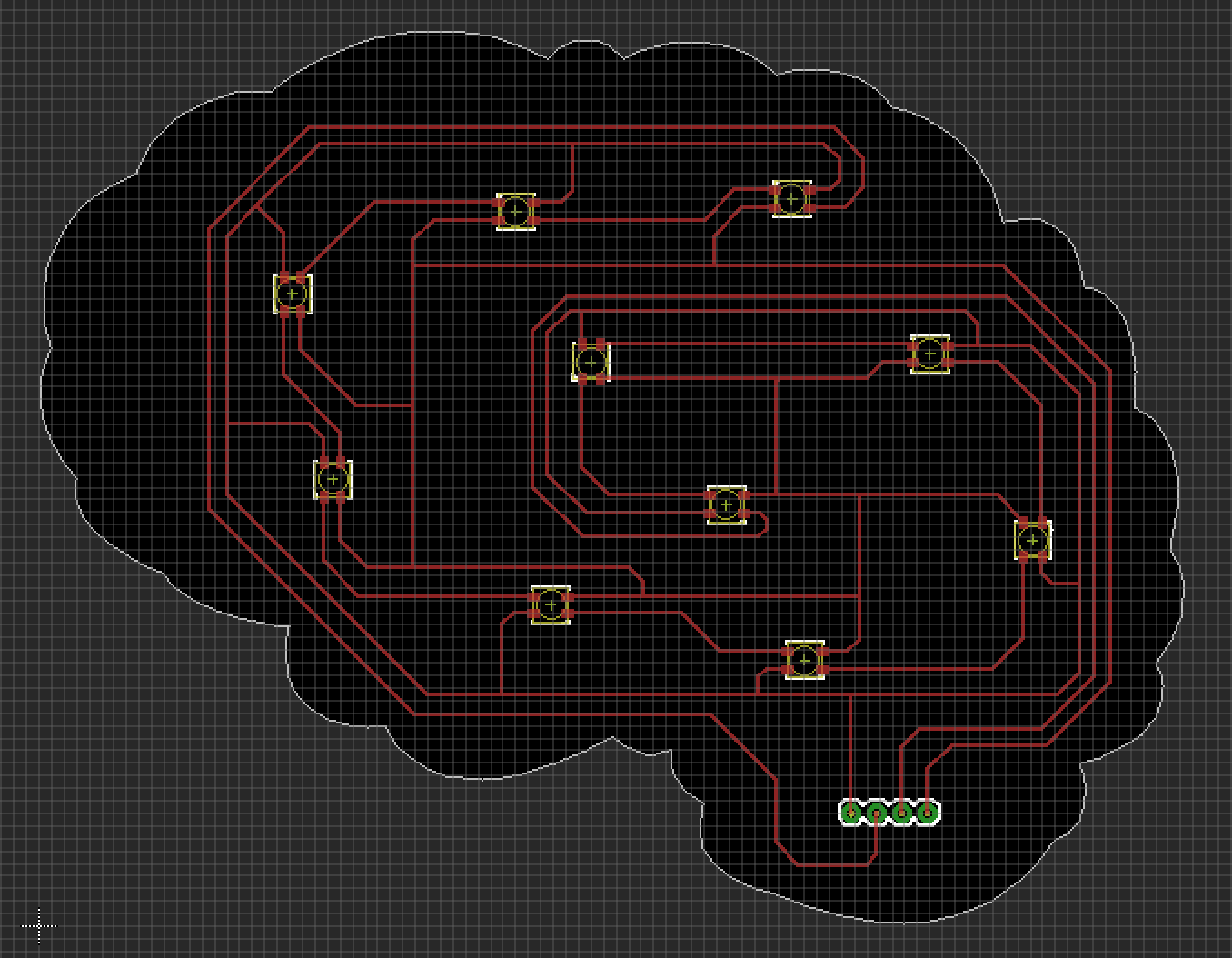

I updated some parameters to mill on the Bantam. Generally, I followed some recommendations from the Homemade Hardware curriculum. Here’s what I changed:
Increase the trace width to 1 mm or 0.04 in
Add a GND polygon
Phil helped me get setup with the Bantam again. Next time I’ll be able to work the machine myself for sure! One thing he reminded me was that generally the machine mill as deep as the tool diameter (or even less) so the mill will make multiple passes on paths, especially if it is cutting all the way through.

Milled brain proto! :)
LED animations to write in code
Neurons firing, normal
Neurons firing, FAST
Spiraling — does this mean that LEDs need to be laid out in a circular pattern?!
Fuzzy, random, noisy neuron firing
Dude, get that Fusion 360 out of my face!
As much as I’ve been avoiding the propaganda, I think I might have to finally look into Fusion 360. I got some impromptu office hours with Phil while I was checking out the Bantam today and, surprise surprise, he was preaching the gospel of Fusion 360 again. If I want to make a 3D sculpture, I can draw (or find) a 3D model of a brain and slice it in Fusion 360. Adnan already gave me the slicer software which makes 2D slices of 3D drawings, guess I need to start watching some tutorials…